Now that the Christmas decorations are almost a distant memory, it’s a very good time of the year to give your indoor plants a little care and attention
There really isn’t a gentle way of putting this – you might like the warm and dry conditions of your centrally heated house, but most of your house plants don’t. 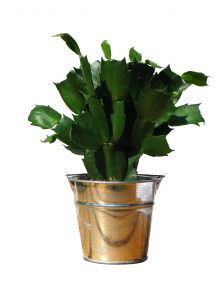 Your indoor potted vegetation would actually be much happier in the moist atmosphere of a well lit bathroom. Which, put another way, while you are warm as toast, they’re in danger of pegging out. However, there are some really basic golden rules that you can follow.
water
Roots need air was well as water, so a heavy hand with watering could quite easily drown a perfectly healthy plant. Think of what happens to your own feet and hands if you linger in the bath too long. On the other hand, you must deliver some water
A good way to gauge whether a plant is running dry is to lift the pot – if it feels light, then the chances are that the soil is dry.
draughts
Although your house may be centrally heated, there will be cold spots. Plants that are happiest in the tropical jungles of the world will quite literally curl up and die if they are caught in a cold draught. Poinsettias are particularly vulnerable, so do make sure that they are placed well away from a constantly opening door.
dust
It’s a good idea to give houseplants a good clean every now and again. I take my plants into the shower from time to time and hose them down with very vaguely tepid water. You’ll be horrified at the dirt run off. Foliage plants are dust magnets in our house, and it’s important that I keep their leaf pores clear for them to breathe. If you cannot physically get your plant into the shower, then use a water spray bottle and damp cloth and work in situ.
humidity
As a rule of thumb, papery leaves generally need more humidity in the air than thick leathery ones. To combat the excesses of dry air during the winter months, you can mist your plants with a fine spray squirty bottle filled with plain water.
Grouping plants together will allow them to create their own microclimate as the air trapped between the leaves will have a higher humidity than the atmosphere around a single plant.
feeding
You may be surprised to learn that nearly all plants need a rest in winter, which actually means less feeding and less heat than when they are more actively growing in the spring-summer months. So no plant food until the spring please!
Valerie McBride Munro is a qualified horticulturist. She offers unique and personal tuition sessions explaining the whys and wherefores of good gardening techniques, in your own garden.
© 2011 Valerie McBride-Munro


Leave a Reply